SUSTANON® 250 - this Pakistan testosterone mix is the only very effective original Sustanon that can compete with expensive Netherlands one.Licensed b..
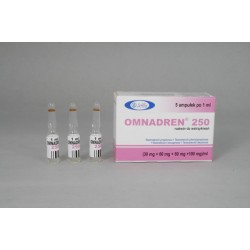
OMNADREN® 250 - extreme muscle gain. Large volume, up to several kilograms in four weeks. The most effective injection testosterone preparation for th..
Comprehensive Clinical and Pharmacological Guide to
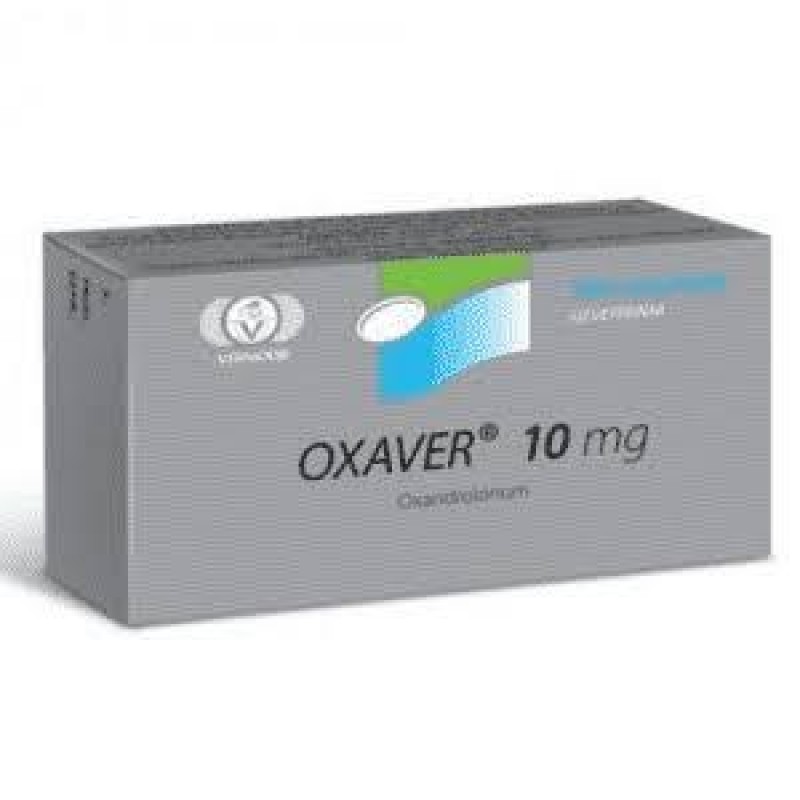
Oxaver (Oxandrolone 10mg Tablets)
1. Overview of Oxaver and Active Compound Chemistry
Oxaver represents a pharmaceutical formulation
containing Oxandrolone at a concentration of 10mg per tablet, with a
total package count of 100 tablets. Structurally known as
17β-hydroxy-17α-methyl-2-oxa-5α-androstan-3-one, Oxandrolone is an oral
anabolic-androgenic steroid (AAS) derived from dihydrotestosterone (DHT). The
molecular architecture is distinctive: the carbon-2 atom in the A-ring is
replaced with an oxygen atom, and a methyl group is incorporated at the
C17-alpha position.
This chemical reconfiguration yields two distinct functional
attributes. First, substituting carbon with oxygen drastically enhances the
compound's anabolic potency while dampening its relative androgenic activity.
Second, the 17α-alkylation allows the tablet to survive first-pass hepatic
metabolism, ensuring high oral bioavailability. Consequently, Oxaver exhibits a
high anabolic-to-androgenic ratio, making it an object of study in tissue
preservation, catabolic state reversal, and recovery therapeutics.
2. Cellular Mechanism of Action and Metabolic Dynamics
Oxandrolone exerts its biological influence primarily by
binding directly to intracellular androgen receptors present in skeletal
muscle, bone, and neural tissues. Upon binding, the receptor-ligand complex
translocates into the cell nucleus, altering gene transcription to upregulate
protein synthesis and enhance intracellular nitrogen retention. Nitrogen
retention is a critical marker for anabolic status, as a positive nitrogen
balance prevents muscle breakdown during periods of caloric restriction, severe
physical trauma, or metabolic stress.
A major feature of Oxandrolone is its complete resistance to
the aromatase enzyme. Because it cannot convert into estrogen, treatment with
Oxaver does not precipitate estrogenic complications such as systemic water
retention, subcutaneous fluid accumulation, or gynecomastia. Furthermore,
Oxandrolone exhibits minimal interaction with 5α-reductase, meaning it does not
convert into a more potent androgenic metabolite in target tissues like the
skin or prostate, keeping its androgenic activity relatively stable across
systemic tissues.
3. Approved Clinical Indications and Medical Context
In professional medical practice, Oxandrolone is prescribed
under strict supervisory protocols to treat conditions characterized by
significant tissue wasting, structural weakness, or impaired recovery
mechanisms:
Weight
Regain Following Severe Trauma or Surgery: Used as adjunctive therapy
to restore body weight lost after extensive surgical operations, chronic
infections, severe physical trauma, or extensive thermal burns.
Mitigation
of Corticosteroid-Induced Catabolism: Administered to offset protein
catabolism and muscle atrophy in patients undergoing prolonged, high-dose
corticosteroid treatment.
Relief
of Osteoporosis-Related Bone Pain: Utilized to decrease bone pain and
support bone mineral density in patients diagnosed with advanced
osteoporosis.